

Healthy Fats: Choosing What’s Beneficial to Your Health
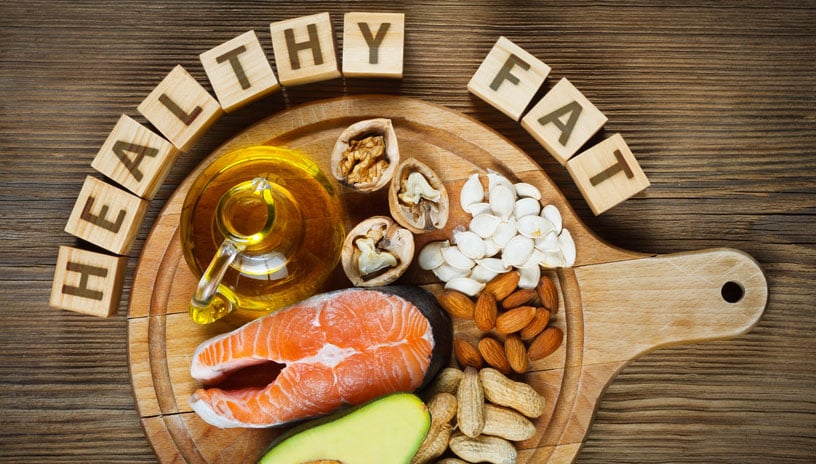
Knowing which fats to choose can help protect your heart, support your brain, and improve overall health.
Foods containing fat were often blamed for weight gain and heart disease. As a result, many people tried to eat “low-fat” foods whenever possible. Today, health experts understand something important: Some fats are not only healthy, but they’re also essential and have a positive impact on overall health.
Why Do Healthy Fats Matter?
Fat plays several important roles in the body. It provides energy, protects organs, and helps your body absorb certain vitamins. For example, vitamins A, D, E, and K require fat for proper absorption. Without enough healthy fat, your body may not get the full benefit from nutritious foods.
Healthy fats also help you feel full after eating. This can reduce overeating and help with weight management.
What Types of Healthy Fats Should You Include in Your Diet?
The healthiest fats are called unsaturated fats. These fats are usually liquid at room temperature and come from plants and fish.
Monounsaturated Fats
Monounsaturated fats, when used in place of saturated fats, can help our bodies lower “bad” LDL cholesterol and support heart health. High blood levels of LDL can lead to plaque buildup in artery walls, significantly increasing the risk of heart disease, heart attack, and stroke.
Eating foods with monounsaturated fats instead of butter or shortening can reduce the risk of heart disease. Good sources include:
- Olive oil and canola oil
- Avocados
- Seeds like pumpkin or sesame seeds
Using olive oil for cooking and salad dressings is an easy and delicious way to add healthy fats to your meals.
Polyunsaturated Fats
Polyunsaturated fats include omega-3 and omega-6 fatty acids. These fats are important for brain function, cell growth, and reducing inflammation.
Omega-3 fats are especially helpful for heart and brain health. Sources include:
- Fatty fish such as salmon, tuna, sardines, and trout.
- Flaxseeds and chia seeds.
Omega-6 fats have long been controversial, but they support skin and hair health and help regulate metabolism. Sources of Omega-6 fats are most beneficial when used in moderation and include:
- Vegetable oils such as sunflower, canola, and soybean oil.
- Seeds (varieties include sunflower, pumpkin, and sesame) and nuts.
Both omega-3 and omega-6 fats are important for overall health. However, most sources recommend eating more omega-3-rich foods and limiting omega-6 fats. When considering dietary changes, discuss your specific needs and health concerns with a trusted healthcare provider.
How Do Healthy Fats Support Your Health?
Including healthy fats in your diet can:
- Support heart and vascular health and function.
- Reduce inflammation in the body.
- Support brain health, including memory and focus.
- Help keep blood sugar levels steady.
- Support hormone production and energy levels.
Healthy fats also make meals more satisfying and enjoyable.
What Fats Should You Limit in Your Diet?
Some fats should be limited for better health.
Trans fats should be avoided. They’re often found in fried foods, packaged snacks, and baked goods.
Saturated fats are typically solid at room temperature. They’re found in fatty meats, butter, and full-fat dairy and should be eaten in moderation. Replacing them with unsaturated fats is better for heart health.
Simple Ways to Add Healthy Fats
You don’t need to make big changes to eat healthier fats. Try small steps, like cooking with olive oil or adding fish to meals twice a week. Choosing snacks like yogurt, nuts, or whole-grain toast with avocado instead of chips can also improve your diet and overall health.
MCHD Resources
The Women, Infants, and Children (WIC) nutrition education program offered at the Moultrie County Health Department supports the inclusion of healthy fats from nutrient-dense foods. The program focuses on balanced diets and provides resources for healthy foods tailored to the client’s dietary preferences.
For adults wanting to monitor their cholesterol levels, low-cost laboratory services are available to every Moultrie County resident, regardless of income or insurance coverage. Contact our office for more information or to schedule an appointment.
The MCHD wants you to know that healthy fats are not something to fear. When chosen wisely, they help protect your body and support long-term health—one meal at a time.
This institution is required to post the USDA Nondiscrimination Statement. HTML version. PDF version.
USDA Nondiscrimination Statement 2026
In accordance with federal civil rights law and U.S. Department of Agriculture (USDA) civil rights regulations and policies, this institution is prohibited from discriminating on the basis of race, color, national origin, sex (including gender identity and sexual orientation), disability, age, or reprisal or retaliation for prior civil rights activity.
Program information may be made available in languages other than English. Persons with disabilities who require alternative means of communication to obtain program information (e.g., Braille, large print, audiotape, American Sign Language), should contact the responsible state or local agency that administers the program or USDA’s TARGET Center at (202) 720-2600 (voice and TTY) or contact USDA through the Federal Relay Service at (800) 877-8339.
To file a program discrimination complaint, a Complainant should complete a Form AD-3027, USDA Program Discrimination Complaint Form which can be obtained online at: https://www.usda.gov/sites/default/files/documents/USDAOASCR%20P-Complaint-Form-0508-0002-508-11-28-17Fax2Mail.pdf, from any USDA office, by calling (866) 632-9992, or by writing a letter addressed to USDA. The letter must contain the complainant’s name, address, telephone number, and a written description of the alleged discriminatory action in sufficient detail to inform the Assistant Secretary for Civil Rights (ASCR) about the nature and date of an alleged civil rights violation. The completed AD-3027 form or letter must be submitted to USDA by:
- mail: U.S. Department of Agriculture, Office of the Assistant Secretary for Civil Rights, 1400 Independence Avenue, SW, Mail Stop 9410, Washington, D.C. 20250-9410;
- fax: (833) 256-1665 or (202) 690-7442; or
- email: program.intake@usda.gov.program.
USDA is an equal opportunity provider, employer, and lender.