

Summer Food Safety Tips
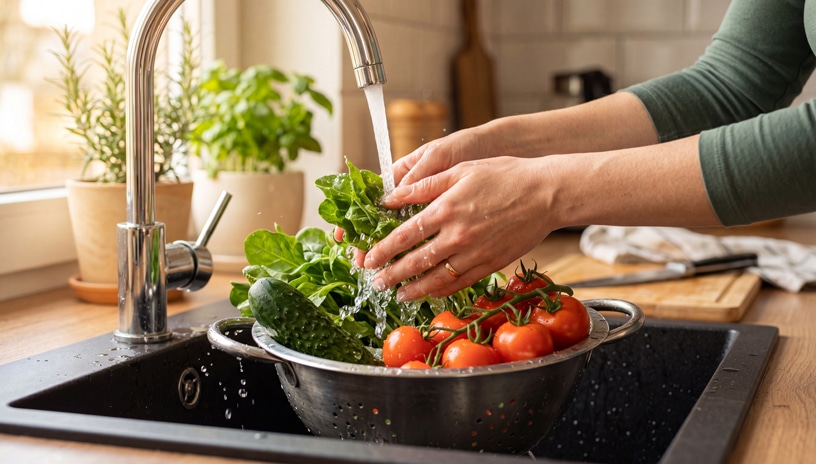
Keep foodborne illnesses out of your summer celebrations.
Summer is the perfect time to enjoy cookouts, family reunions, picnics, and neighborhood celebrations. Unfortunately, warmer temperatures also create ideal conditions for bacteria to grow on food. Each year, millions of Americans become sick from foodborne illnesses, many of which can be prevented by following a few simple food safety practices.
Whether you're hosting a cookout or bringing a favorite dish to a community gathering, take precautions to help keep everyone healthy. These summer food safety tips are easy and worth practicing.
Keep Hot Foods Hot and Cold Foods Cold
Temperature is one of the most important factors in food safety.
Cold foods such as salads, fresh fruit, dairy products, and deli meats should be kept at 40°F or colder. Keep cold foods in insulated coolers surrounded by plenty of ice or frozen gel packs, especially if serving outside.
Hot foods, including grilled meats, casseroles, and baked beans, should be kept at 140°F or warmer until served. Slow cookers, warming trays, or insulated containers can help maintain safe temperatures.
Avoid leaving perishable foods sitting out for long periods. During hot summer weather (90°F or above), refrigerate or discard leftovers after one hour of exposure to the environment. Otherwise, the limit is two hours.
Cook Foods to Safe Temperatures
Food that looks done isn't always safe to eat. The best way to know that meat is fully cooked is to use a food thermometer. It’s one of the easiest and least expensive tools for preventing foodborne illnesses.
Some recommended minimum internal temperatures include:
- Poultry: 165°F.
- Ground beef: 160°F.
- Steaks, chops, and roasts: 145°F, followed by a three-minute rest.
Food is safely cooked when the internal temperature gets high enough to kill the bacteria that can make you sick.
Preventing Cross-Contamination
Keep raw meat, poultry, and seafood separate from ready-to-eat foods.
Use separate cutting boards, plates, and utensils whenever possible. Never place cooked food back on the same plate that previously held raw meat unless the plate has been thoroughly washed with hot, soapy water.
Clean Hands and Food Preparation Surfaces
Wash your hands with soap and water for at least 20 seconds before preparing food and after handling raw meat, poultry, seafood, or eggs. Always wash your hands before serving or eating food.
Clean cutting boards, knives, countertops, and serving utensils with hot, soapy water between uses. If clean running water isn't available at an outdoor event, bring hand sanitizer, disposable wipes, or a container of clean water for handwashing.
These simple habits are part of the four basic steps of food safety: Clean, Separate, Cook, and Chill.
Handle Leftovers Safely
- Divide large amounts of food into smaller portions before refrigerating.
- Promptly refrigerate leftovers in shallow containers so they cool quickly.
- If you're unsure how long food has been sitting out, it's safest to throw it away.
When reheating leftovers, heat them to 165°F internally before serving.
Enjoy a Safe Summer
Good food brings people together, and practicing safe food handling helps keep those gatherings fun and memorable. By following the summer food safety tips mentioned above, you can help protect your family and friends from foodborne illness all summer long.
Visit the News section of the Moultrie County Health Department website for additional health and safety information.