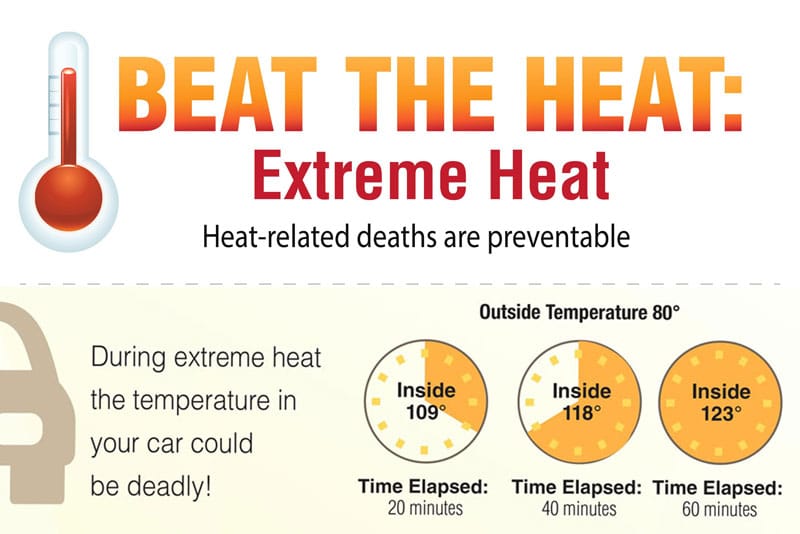


Heat-Related Deaths are Preventable
Beat the heat this summer!
We may not want to admit it, but too many of us choose foods that are not in the best interest of our health. Grocery stores keep plenty of processed foods on their shelves because people buy them.
As the infant formula shortage continues in the US, many families are struggling to access the products they rely on to feed their babies. The Moultrie County Health Department (MCHD) wants our local families and residents to be aware of available resources.
Warning issued: The Illinois Department of Public Health (IDPH) warns that some jars of Jif brand peanut butter may be contaminated with a strain of Salmonella that is making people sick.
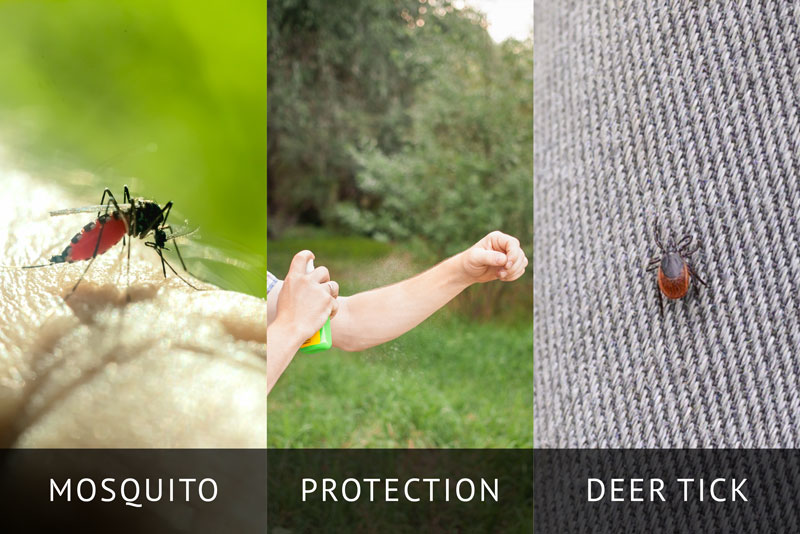
Some vector-borne diseases will produce few noticeable symptoms in an infected person, and the illness may go undetected. However, the same diseases can also cause significant discomfort and illness, Including life-long disabilities or even death. The following is basic information on West Nile virus and Lyme disease, both of which are carried by vectors common in Central Illinois.
The Center for Disease Control and Prevention (CDC) estimates that one in six Americans (48 million people) become sick from food poisoning each year. These incidents send 128,000 Americans to the hospital, and an estimated 3,000 die annually from foodborne illnesses. Food safety is especially important as we approach Memorial Day weekend. This weekend traditionally marks the beginning of summer activities, many of which will involve preparing and serving food for family and friends.
West Nile virus (WNV), Lyme disease, and Rocky Mountain spotted fever (RMSF), are the most commonly reported human vector-borne diseases (VBDs) in Illinois. As summer approaches and more people are inclined to engage in outdoor activities, tick and mosquito vectors are also becoming more active, increasing the risk of disease transmission to humans.
Herd immunity occurs when a significant portion of a population becomes immune to an infectious disease, limiting disease spread. When there are limits on the spread of the disease, even those not already immune have a reduced risk of exposure. Reducing the risk of disease spread is especially critical in protecting individuals who can’t be vaccinated. These would include newborns, those with compromised immune systems, and those who cannot tolerate the vaccine.
Smallpox was a severely infectious disease caused by the variola virus. It undoubtedly caused millions of deaths and is believed to have existed since the days of ancient Egypt over 3,000 years ago. It was contagious, spreading from one person to another. People who had smallpox typically presented with a fever and a distinctive, distinct skin rash.
When we protect our children from lead exposure, we protect them from the adverse effects that can stay with them for a lifetime. Read more here to learn about preventing lead exposure and the availability of lead screening and testing.